Outgrowing Your Passenger Van? When to Consider a Shuttle or Specialty Transportation Vehicle
- June 24, 2026
- Blog
- Posted by Kiran Kaur
- Comments Off on Outgrowing Your Passenger Van? When to Consider a Shuttle or Specialty Transportation Vehicle
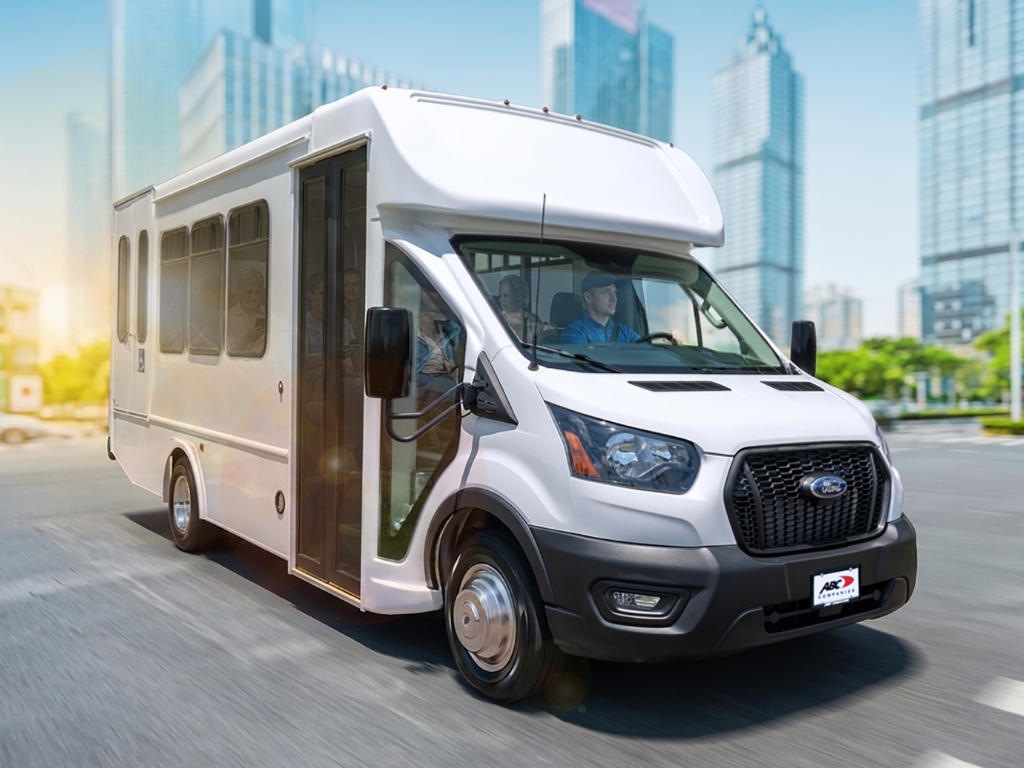
A commercial passenger van can be a smart, practical solution for many organizations. It is flexible, familiar, and often a good fit for smaller groups, shorter routes, and day-to-day transportation needs.
But as your operation grows or your passenger needs change, the vehicle that once worked well may start creating friction. Boarding may take longer. Passengers may feel crowded. Luggage may become harder to manage. Accessibility needs may increase. Or the vehicle may no longer reflect the level of service your organization wants to provide.
For hospitality teams, senior living communities, educational organizations, and private transportation providers, knowing when to move from a passenger van to a passenger shuttle vehicle or specialty transportation vehicle can make a meaningful difference in both the rider experience and daily operations.
When a Commercial Passenger Van Is No Longer Enough
Most organizations do not wake up one day and suddenly need a different vehicle. The signs usually appear gradually.
A shuttle that once handled guest transportation comfortably may now feel too small during peak arrival times. A senior living vehicle may still run reliably but make boarding more difficult than it needs to be. A private transportation provider may start receiving feedback that the ride experience feels less polished than competitors. A campus route may need better passenger flow as ridership increases.
In each case, the issue is not always that the vehicle is “bad.” It may simply no longer be the right fit for the service being delivered.
Sign 1: Boarding and Exiting Are Slowing Down Service
Boarding is one of the clearest signs that your current vehicle may not be supporting the operation as well as it should.
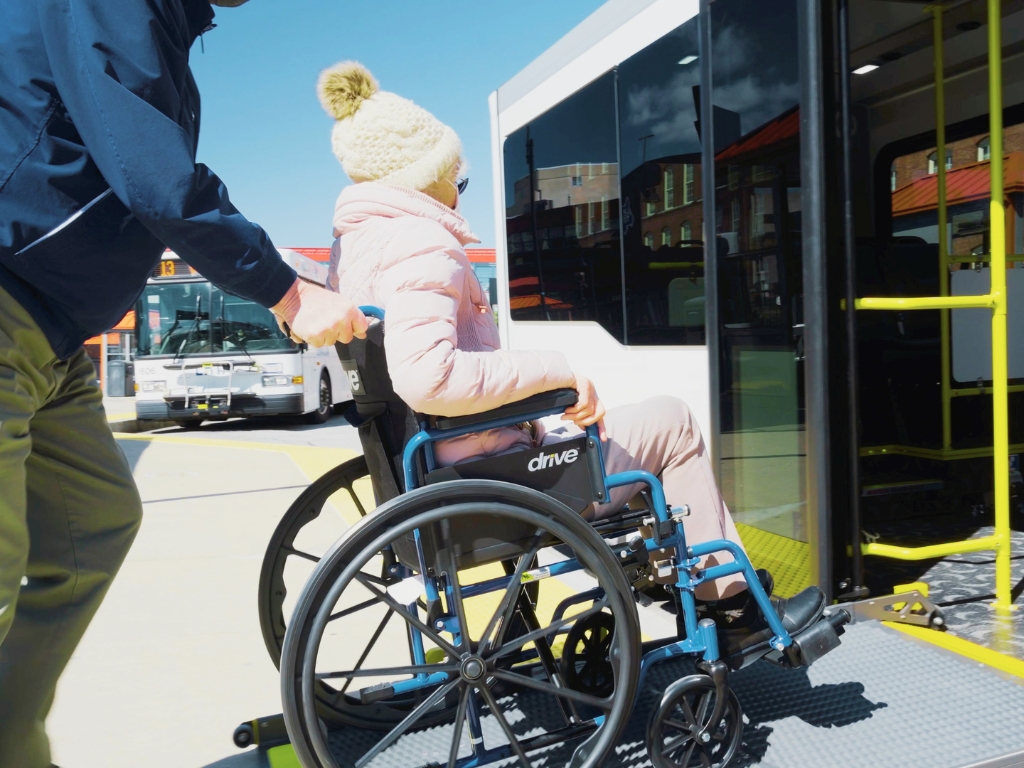

If passengers need extra time to enter or exit, if drivers or staff are frequently assisting with steps, or if mobility needs are becoming more common, it may be time to consider a different configuration.
For senior living transportation vehicles, ADA shuttle bus options, and low-floor shuttle vehicles, ease of entry can be just as important as seating capacity. A vehicle that simplifies boarding can help improve the passenger experience while also supporting a smoother, more efficient route.
Sign 2: Passenger Comfort Is Starting to Affect the Experience

Comfort matters more in some transportation environments than others, but it should not be ignored.
Hospitality shuttle bus programs, private transportation vehicles, and executive or guest-facing services often need to reflect the quality of the brand. If passengers are uncomfortable, cramped, or underwhelmed by the ride experience, the vehicle may be working against the service you are trying to deliver.
This does not always mean moving to the largest or most premium option. It means choosing a vehicle that better fits the length of the trip, the expectations of the passenger, and the role transportation plays in the overall experience.
Sign 3: Your Routes or Passenger Volume Have Changed
A vehicle that worked well for occasional trips may not be the right fit for frequent daily routes. Similarly, a commercial passenger van may work for small groups but become inefficient if you are regularly moving more passengers, handling luggage, or making repeated stops.

Route changes can also affect the right vehicle choice. Tight access points, parking areas, airport loops, campus roads, senior living entrances, and hospitality drop-off zones all influence what type of vehicle will work best.
If your service has changed, your vehicle strategy may need to change with it.
Sign 4: Accessibility Needs Are Becoming More Important
Accessibility should not be an afterthought. For many organizations, it is becoming a more central part of passenger transportation planning.
Senior living communities, healthcare-adjacent services, educational institutions, hospitality providers, and private transportation companies may all serve passengers with mixed mobility needs. If your current vehicle makes those riders feel less confident or creates extra work for staff, it may be time to evaluate ADA-accessible vehicles or low-floor shuttle options.
The right vehicle can help make transportation feel easier, safer, and more welcoming for a broader range of passengers.
Sign 5: The Vehicle No Longer Reflects Your Brand or Service
For guest-facing operations, transportation is often part of the first impression. A hotel shuttle, campus vehicle, senior living transport, or private transportation vehicle is not just moving people from one place to another. It is representing the organization behind the service.
If the vehicle feels outdated, inconsistent with your brand, or less professional than the experience you want to create, that may be a sign to re-evaluate.
The right passenger shuttle vehicle or specialty transportation option can support both function and presentation.
Know When to Re-Evaluate Your Transportation Needs

Choosing between a commercial passenger van, shuttle, ADA-accessible vehicle, or specialty transportation vehicle is not only about seats. It is about how the vehicle supports your people, your routes, your service standards, and your long-term operational needs.
For some organizations, a passenger van will still be the right answer. For others, a shuttle or specialty transportation vehicle may better support accessibility, passenger flow, comfort, presentation, or daily efficiency.
Not sure which direction makes the most sense? Download the free guide to compare shuttles, vans, and minibuses, and better understand what to consider before making your next fleet decision.
Prefer to talk through your needs? Connect with an ABC Fleet Specialist for guidance on the right fit for your operation.

