Bus Maintenance Before Summer: 7 Warning Signs Your Fleet Needs a Readiness Check
- July 13, 2026
- Blog
- Posted by Kiran Kaur
- Comments Off on Bus Maintenance Before Summer: 7 Warning Signs Your Fleet Needs a Readiness Check

Summer can be one of the most demanding seasons for passenger fleets. Hotter weather, longer operating days, increased mileage, and higher passenger comfort expectations can place added strain on vehicles that already work hard year-round.
For fleet operators, transportation managers, and maintenance leaders, the goal is not just to respond when something breaks. It is to identify early warning signs before they turn into downtime, schedule disruptions, or passenger experience issues.
Whether you manage motorcoaches, shuttles, transit vehicles, specialty vehicles, or a mixed-use fleet, here are seven signs your fleet may need a summer readiness check before peak demand increases.
7 Signs Your Fleet Needs a Maintenance Check
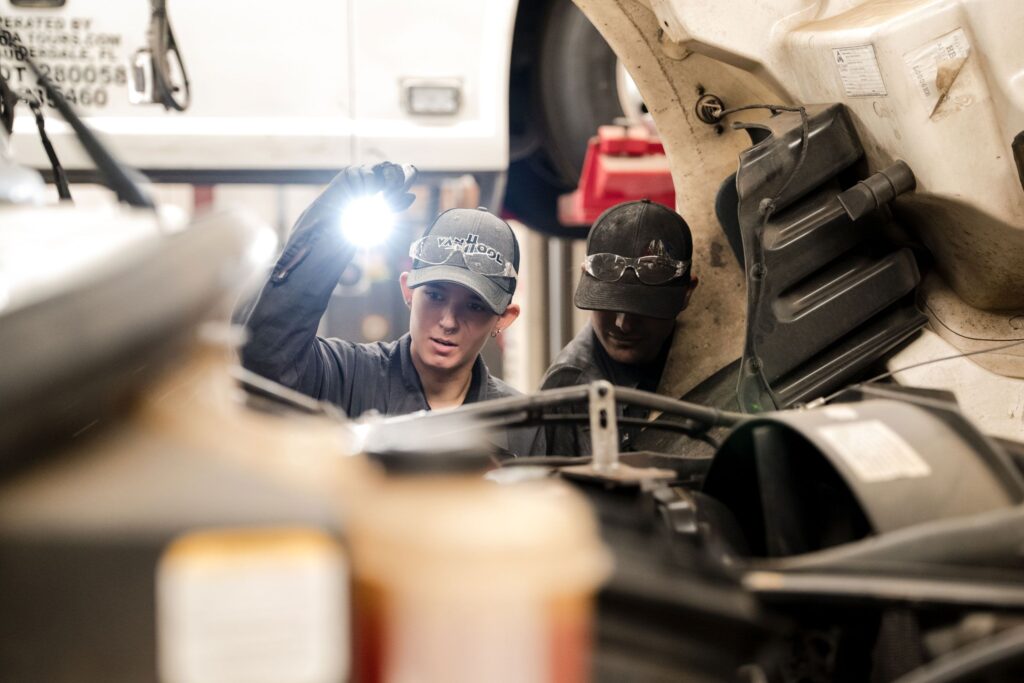
1. HVAC Performance Is Inconsistent
Passenger comfort becomes more visible during the summer months. If drivers or passengers are reporting uneven cooling, weak airflow, unusual HVAC noises, or longer cool-down times, those issues should be addressed before temperatures rise further.
HVAC systems often work harder during longer service days and hotter operating conditions. Filters, refrigerant levels, blower motors, rooftop units, compressors, and related components can all affect comfort and performance.
If HVAC reliability is already questionable, summer demand will likely make the issue more noticeable.
2. Engine Temperatures Are Running Higher Than Usual
Summer heat can expose cooling system issues that may not be as obvious in milder weather. Rising engine temperatures, visible leaks, low coolant levels, worn hoses, belt concerns, or reduced radiator airflow can all point to a system that needs attention.
A vehicle does not have to overheat to signal a problem. Small changes in operating temperature, fluid condition, or cooling performance can indicate that the engine and cooling system should be inspected before longer routes and heavier mileage begin.
3. Tires Are Showing Wear, Pressure Issues, or Uneven Patterns
Tires play a direct role in safety, ride quality, fuel efficiency, and uptime. During summer, changing temperatures and increased mileage can create added stress on tires and wheel systems.
Operators should pay close attention to tread depth, pressure, sidewall condition, alignment, balancing, and uneven wear patterns. If vehicles are equipped with tire pressure monitoring, auto tire inflation, or wheel-end monitoring systems, unusual alerts should not be ignored.
Tire issues are often preventable, but only if they are caught early.
4. Braking, Steering, or Suspension Feels Different
Brakes, steering, suspension, and driveline systems are critical to safe and reliable vehicle operation. If drivers report changes in handling, longer stopping response, vibration, pulling, unusual noises, or a rougher ride, those concerns should be reviewed before peak summer schedules intensify.
These systems affect more than driver confidence. They also influence passenger comfort, vehicle control, and long-term maintenance needs.
A seasonal readiness check can help identify whether components need inspection, lubrication, adjustment, or service based on vehicle type and maintenance schedules.
5. Passenger Comfort Features Are Creating Complaints
Summer readiness is not limited to what happens under the hood. Seating, lighting, infotainment, onboard electronics, restrooms, and other passenger-facing systems can all affect the rider experience.
This is especially important for hospitality, senior living, private transportation, and specialty fleet operators where comfort and presentation are part of the service.
If passengers are noticing issues, your maintenance team should be noticing them too.
6. Accessibility Systems Need Extra Attention
For vehicles equipped with wheelchair lifts, securement systems, accessible seating, safety sensors, or specialty interior configurations, summer is not the time to discover a system is unreliable.
Accessibility features should be tested before demand increases, especially for fleets serving older adults, healthcare-related transportation, public agencies, and mixed-mobility passenger groups.
Reliable accessibility systems support safety, confidence, and a better experience for both passengers and staff.
7. Electrical Systems or Fleet Technology Are Acting Up
Modern fleets rely on electrical systems and onboard technology to support diagnostics, driver visibility, communication, passenger experience, and fleet tracking.
Battery issues, corroded terminals, inconsistent alternator output, camera system concerns, telematics problems, GPS issues, and onboard electronics failures can all create unnecessary disruption during busy periods.
If these systems are already showing signs of inconsistency, they should be inspected before summer operating demands increase.
Get Ahead of Summer Fleet Disruptions

The best time to address summer maintenance needs is before they affect your schedule, passengers, or team. Small issues with HVAC, cooling systems, tires, brakes, accessibility equipment, electrical systems, or onboard technology can become bigger problems when vehicles are operating longer hours in hotter conditions.
A practical readiness review gives your team a clearer view of what needs attention now and what can be planned before peak seasonal demand.
To help your team prepare, download the Summer Fleet Readiness Checklist. This free resource outlines key systems to inspect before summer conditions intensify, including HVAC, cooling, tires, brakes, safety equipment, accessibility systems, electrical components, underbody areas, and fleet technology.
Need support with seasonal inspections, replacement parts, mobile service, or fleet readiness planning? Connect with an ABC Fleet Specialist to keep your vehicles prepared for every mile of the season.

