Bus Parts Planning for Peak Season: What to Stock Before Summer Demand
- June 30, 2026
- Blog
- Posted by Kiran Kaur
- Comments Off on Bus Parts Planning for Peak Season: What to Stock Before Summer Demand
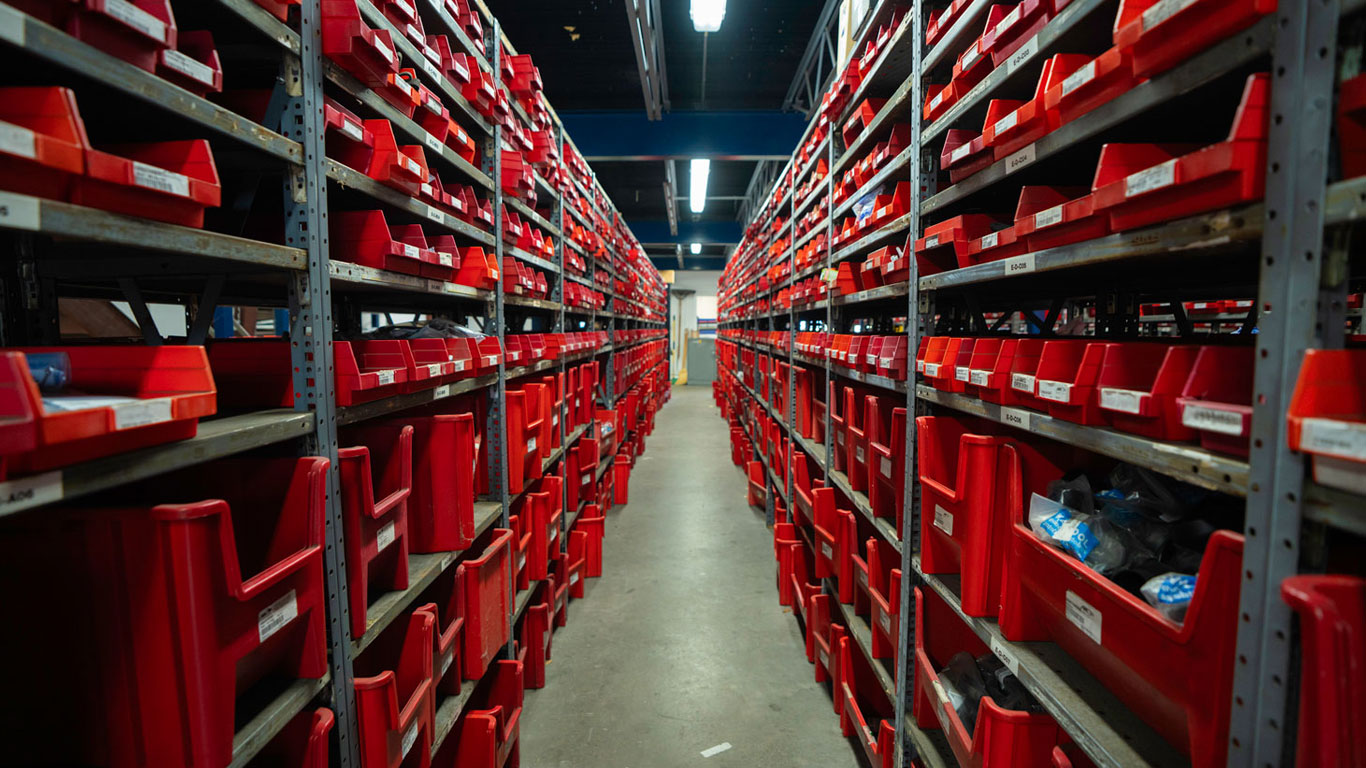
When a coach, shuttle, or transit vehicle is already scheduled for back-to-back service, waiting on the right part can turn a routine repair into a larger operational challenge.
During peak travel seasons, fleet operators are balancing higher demand, tighter maintenance windows, and the need to keep vehicles ready for the road. Having the right bus parts available before they are needed helps maintenance teams complete repairs efficiently, support uptime, and avoid delays caused by unexpected parts needs.
Seasonal inspections are an important first step because they help identify potential service needs early. However, finding an issue is only part of the process. A proactive parts strategy helps teams act on those findings, plan ahead for commonly needed components, and keep maintenance moving.
Here, we’ll discuss how to determine which parts to keep on hand, which parts may require additional planning, and when to connect with a bus parts partner for additional support.
Why Parts Planning Should Happen Before Peak Season
Even routine repairs can create operational challenges when the right bus parts are not available at the right time. A simple maintenance need can quickly lead to extended downtime if technicians are waiting on parts before they can complete the work.
During the summer, many fleets experience heavier schedules with more frequent trips, routes, and charters. With less flexibility to remove vehicles from service, maintenance teams need the right resources to complete repairs efficiently and get vehicles back on the road.
Effective parts planning does not mean stocking every possible component. Instead, it means understanding your fleet’s needs, identifying potential delays in advance, and making strategic decisions that support technician efficiency, reduce preventable downtime, and keep vehicles ready for passengers throughout the season.
Start With Maintenance Findings, Not Guesswork
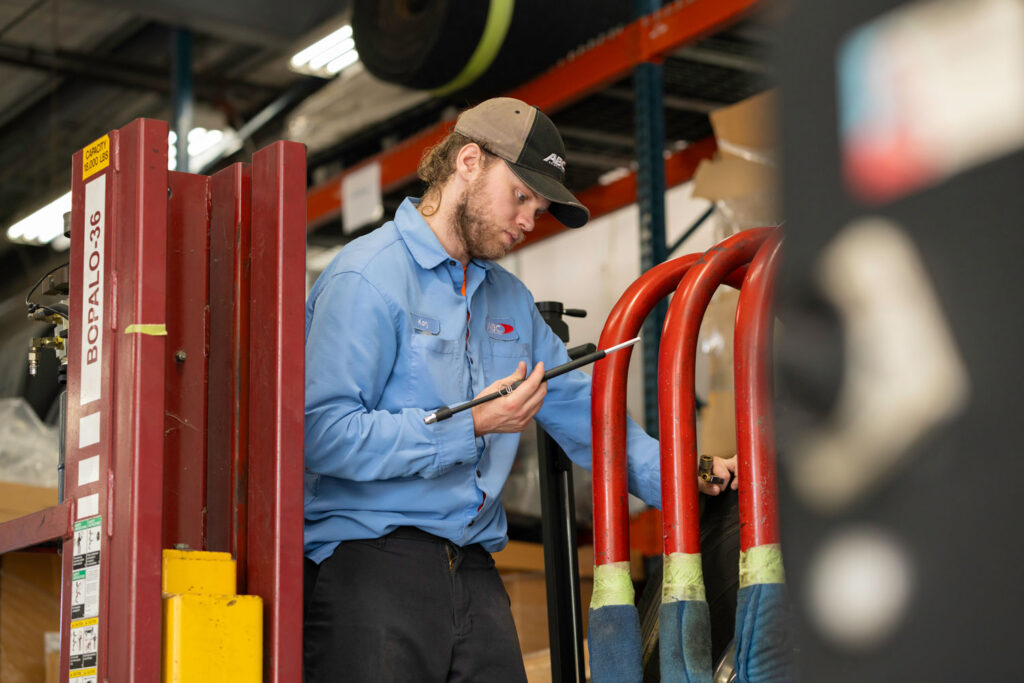
The most effective parts planning strategies are based on your fleet’s actual needs. Before deciding what to stock or source, review the information your team already has available. Preventative maintenance schedules, recent inspection results, technician feedback, driver reports, and repair history can all provide insight into what your fleet may need before peak demand begins. It’s also helpful to identify vehicles scheduled for service during the summer season so teams can prepare before those maintenance windows arrive.
Reviewing past work orders can help uncover repeat issues, delayed repairs, and commonly replaced components across your fleet. While a seasonal maintenance checklist helps identify what needs attention, a proactive parts plan helps ensure your team has access to the components needed to complete that work efficiently.
How to Prioritize Bus Parts Before Peak Demand
Once your team understands the upcoming maintenance needs, the next step is to identify which bus parts pose the greatest risk of downtime if unavailable. To make the most of your parts planning process, consider factors like upcoming service requirements, sourcing timelines, and vehicle utilization.
Parts Needed for Scheduled Work
Planned maintenance is a good place to start when determining which parts may be needed before peak season. Upcoming preventative maintenance, planned repairs, and known intervals can help identify commonly replaced items like filters, belts, hoses, wipers, and other routine maintenance supplies. Confirming availability before vehicles are pulled from operation helps technicians complete scheduled work efficiently and get vehicles back on the road faster.
Parts That Could Delay Service
Some components can extend repair timelines if they are unavailable when work begins. Model-specific components, specialized parts, door or lift components, bus air conditioning parts, and less common electrical or body components may require additional planning depending on the fleet. Identifying these needs before a vehicle is already down can help teams reduce downtime and keep repairs moving during periods of higher demand.
Parts for High-Use Vehicles
Vehicles with the busiest schedules often have the least flexibility for unexpected downtime. Fleets may want to prioritize parts planning around vehicles assigned to frequent routes, charters, tours, airport runs, hospitality service, senior transportation, or shuttle schedules. Planning ahead for high-use vehicles helps operators ensure the right parts are available for the vehicles most critical to summer operations.
What to Stock, What to Source Early, and What to Confirm

Organizing parts needs into three categories can help fleets create a more effective plan: items to keep on hand, items to source ahead, and items to confirm with a trusted supplier. This approach helps maintenance teams prepare for upcoming service needs while making practical decisions based on fleet size, vehicle usage, and operational priorities.
Keep on Hand
Parts kept on hand are typically the items your fleet already uses and replaces regularly. This may include filters, belts, hoses, wipers, lighting components, common electrical items, fasteners, routine maintenance supplies, and other frequently needed items that support ongoing maintenance, fleet safety, and vehicle readiness.
Source Ahead
Parts sourced ahead of time are typically connected to upcoming scheduled work, known vehicle issues, or repairs already identified by technicians. This may include vehicle-specific components, specialized HVAC parts, door or lift components, interior parts, shuttle bus door parts, and other make- or model-specific items.
Confirm Availability
Some parts may not need to be stocked internally, but should still be verified before peak demand begins. Confirming fit, availability, ordering timelines, and supplier support for specialized or less common parts can help teams prepare before maintenance needs arise.
ABC Parts Source can help operators identify and source the right parts for their fleet, including OEM, aftermarket, and alternative options when available.
When to Work With a Bus Parts Partner
Finding the right parts quickly can make a significant difference when maintenance timelines are limited. The right parts partner can help operators identify the correct components, reduce ordering errors, understand availability, and plan around potential lead times. Confirming parts needs and expected timelines early gives maintenance teams more flexibility and helps avoid making sourcing decisions after a vehicle is already down.
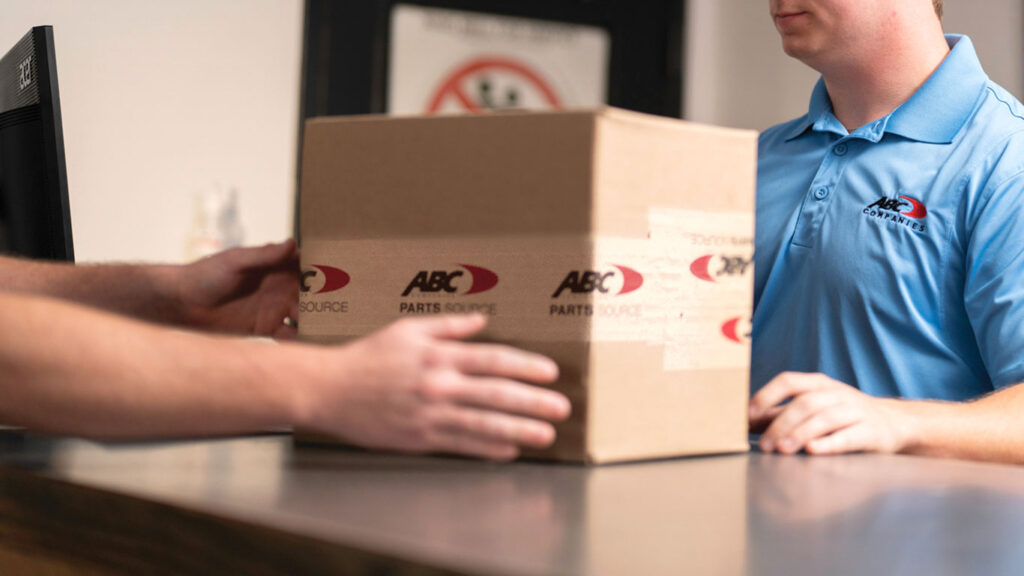
ABC Parts Source supports fleets with access to coach bus parts, transit bus parts, shuttle parts, and commercial bus parts. Whether operators need help identifying the right component, confirming availability, or sourcing OEM, aftermarket, or alternative options when available, ABC can help maintenance teams keep repairs moving with greater confidence.
Prepare for Peak Season With Proactive Parts Planning
Once seasonal inspections are complete, the next step is turning maintenance findings into a clear parts plan. Knowing what needs to be stocked, what should be sourced early, and what may require additional lead time helps teams stay ahead of repairs before vehicles are pulled from service.
By aligning parts planning with maintenance schedules and fleet demand, operators can better support uptime and keep vehicles ready for the road throughout the season.
Explore ABC Parts Source or shop the online bus parts store to find the parts and support your fleet needs. If you’re still reviewing seasonal maintenance priorities, download ABC Companies’s Summer Fleet Readiness Checklist and prepare your fleet for the busy months ahead.

