
A motorcoach can meet the basic requirements on paper and still create challenges once it enters service. A configuration that does not reflect the vehicle’s routes, passengers, maintenance resources, and expected service life can contribute to avoidable operating costs, downtime, and fleet complexity.
For that reason, operators should evaluate more than purchase price, model year, seating capacity, and visible amenities. The more important question is whether the coach is configured to support the realities of the operation over time.
The strongest configuration decisions balance upfront investment with driver usability, passenger experience, serviceability, durability, and long-term fleet value. This guide outlines the key considerations that can help operators choose a motorcoach that supports reliable performance throughout its ownership lifecycle.
5 Considerations for How to Spec a Coach
- Start With How the Motorcoach Will Be Used
Begin the configuration process with your operation in mind and consider factors such as:
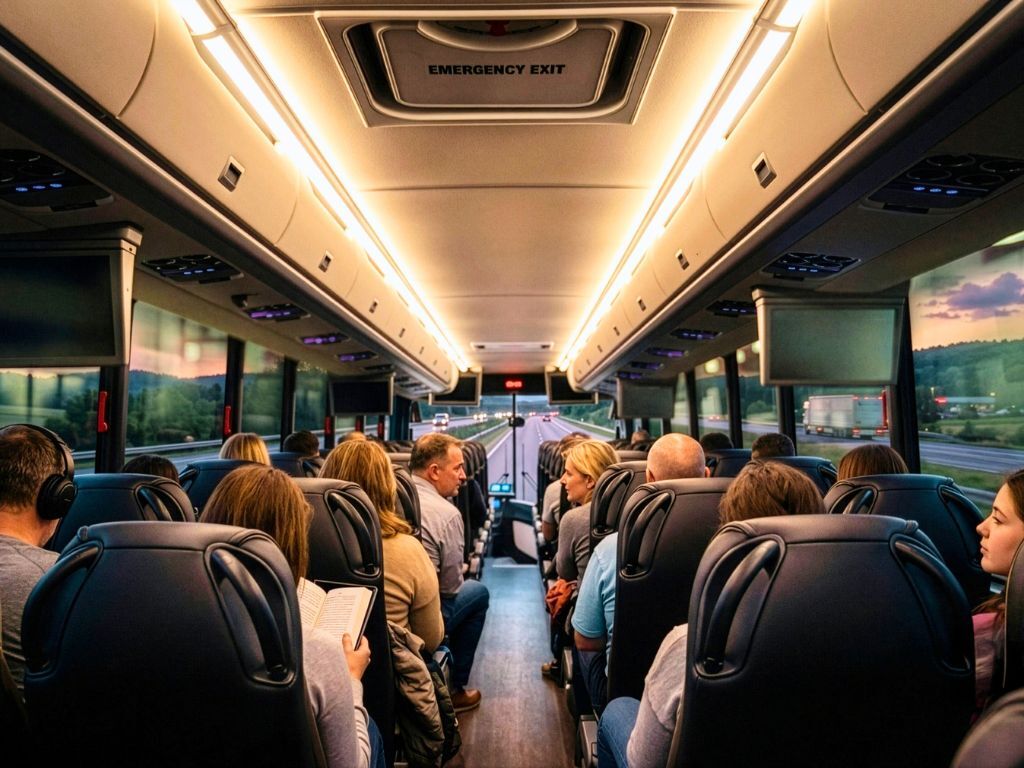
- Typical routes and trip lengths
- Charter, tour, executive transportation, or mixed-service use
- Passenger demographics and service expectations
- Accessibility, luggage, and storage requirements
- Seasonal and geographic operating conditions
- Maintenance capabilities
- Expected ownership period
The best motorcoach configurations are the ones that align with how the vehicle will actually be used. Starting with your operational needs can help you prioritize the features that add the most value while avoiding options that may not support your day-to-day operation.
- Evaluate the Purchase Through Total Cost of Ownership
The purchase price of a new motorcoach is only one part of the long-term investment. Every specification decision influences how efficiently the coach operates, how often it can be used, what it costs to maintain, and how much value it retains throughout its service life.
Revenue Opportunities and Fleet Utilization
Interior layouts, seating configurations, luggage capacity, accessibility features, onboard amenities, and driver technology all influence the types of trips a coach can support. The right configuration may allow operators to serve charter work, tours, employee shuttles, corporate transportation, sports teams, or other higher-value services, increasing revenue potential while improving fleet utilization throughout the year.
Cleaning, Maintenance, and Downtime
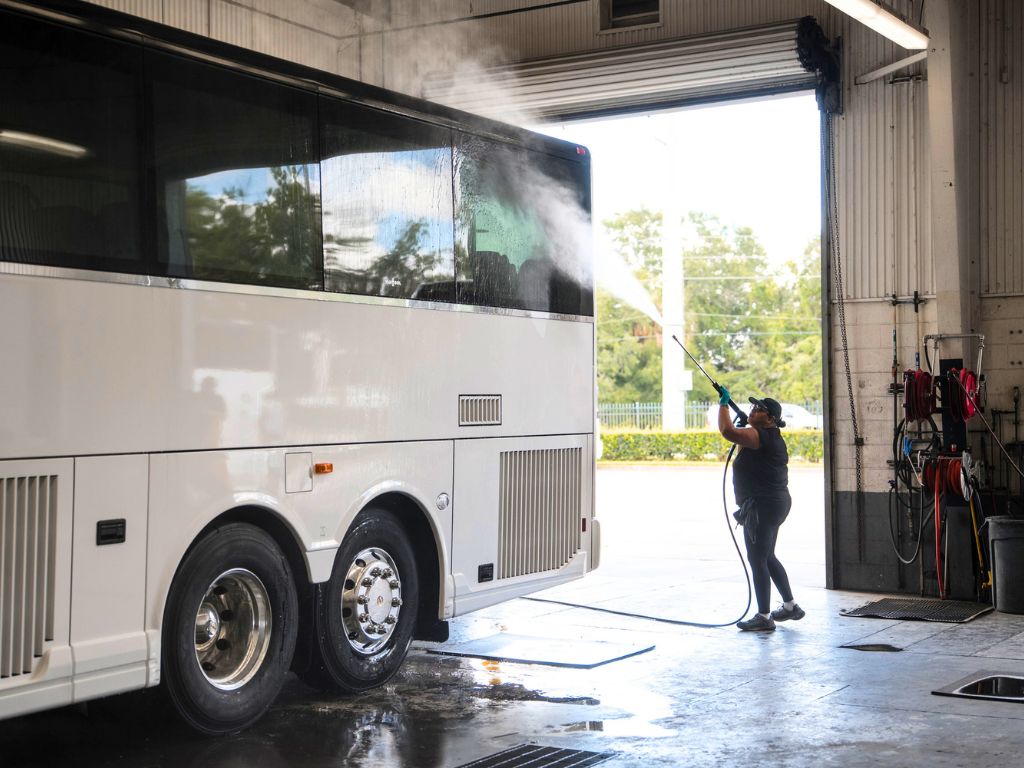
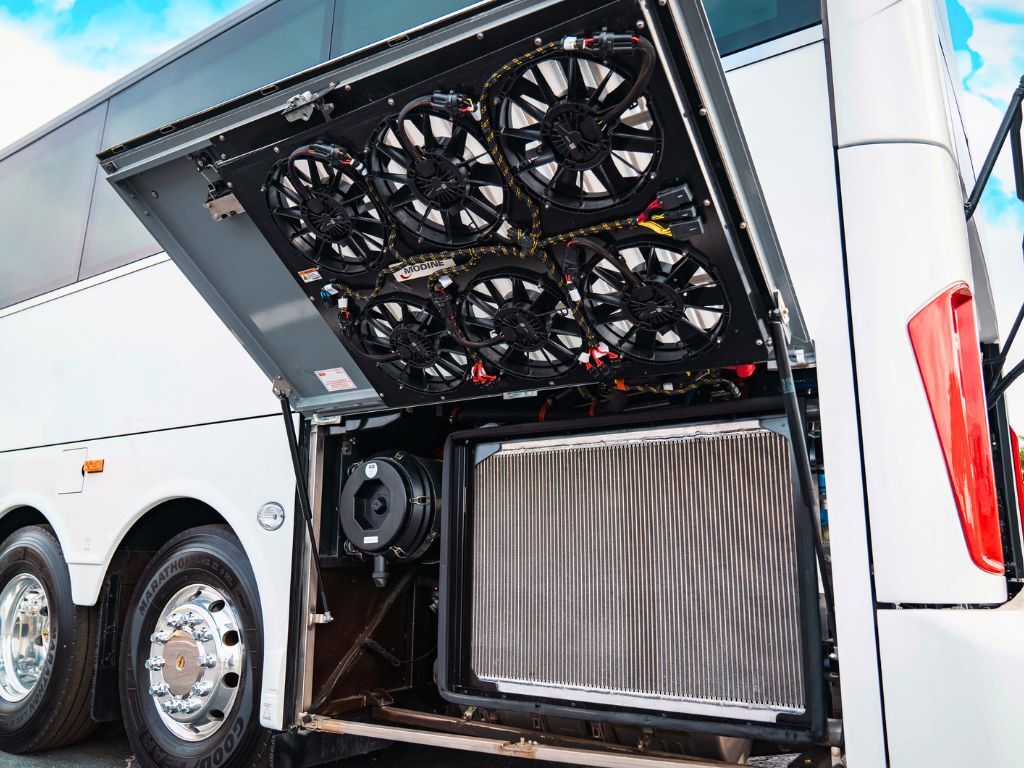
Configuration choices also affect day-to-day operating efficiency. Interior materials and flooring can influence cleaning and turnaround time between trips. Component placement and service accessibility can reduce maintenance labor and shorten repair times. Selecting commonly supported components may improve parts availability and reduce downtime when service is required, helping vehicles return to operation more quickly.
Driver Usability and Passenger Experience
Long-term value also depends on how well the coach supports the people using it every day. Driver-focused features such as improved visibility, ergonomic controls, and intuitive technology can improve usability during long operating days. For passengers, seating comfort, lighting, climate control, power outlets, Wi-Fi readiness, luggage capacity, and accessibility features contribute to a positive travel experience that can encourage repeat business and strengthen customer satisfaction.
Refurbishment and Future Resale Value
Looking beyond daily operations, configuration decisions can influence how well a coach retains its value over time. Durable interior materials and serviceable components may delay refurbishment needs while helping maintain a professional appearance throughout the vehicle's lifecycle. Choosing specifications with broad market appeal can also improve resale or trade-in value when it is time to refresh the fleet.
Evaluating these decisions through a total cost of ownership lens helps operators balance initial purchase costs with long-term operating performance, maintenance expenses, fleet availability, and revenue potential. The goal is not to select every available option, but to build a coach that supports your operation as efficiently and profitably as possible over its entire lifecycle.
- Prioritize the Specifications That Affect Daily Performance
Not every specification will have the same impact on your operation. The most important decisions are often those that improve the experience for drivers, passengers, and maintenance teams throughout the life of the coach.
Driver Environment
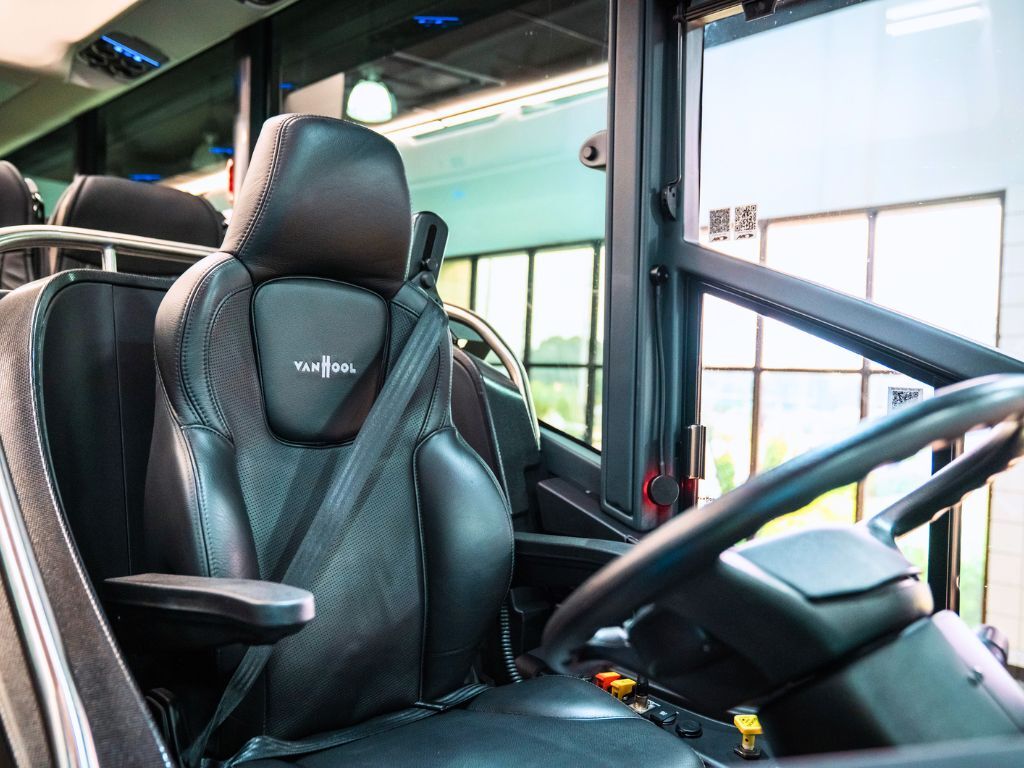
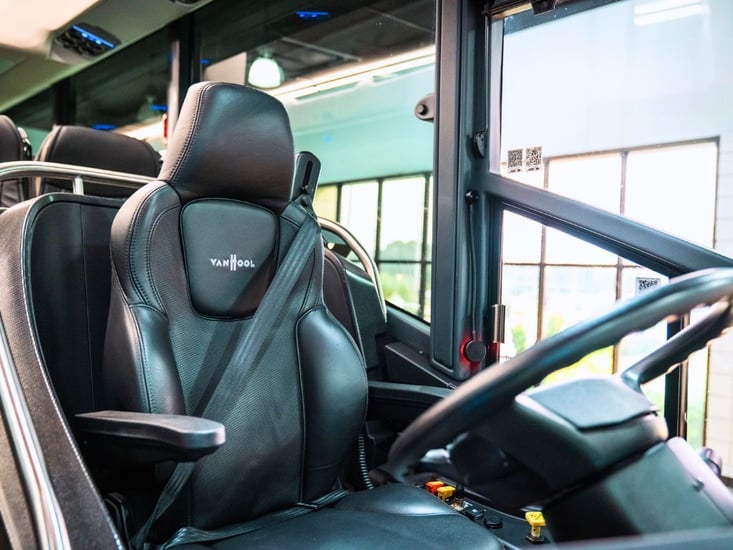
The driver area should function as an efficient workspace. Evaluate seating, climate control, visibility, control placement, storage, and ease of movement. A thoughtfully designed environment can reduce daily friction and support a more consistent driving experience. For example, the CX45's driver environment refinements were shaped by real operator and driver feedback, with a focus on the details that matter during daily service.
Passenger Experience
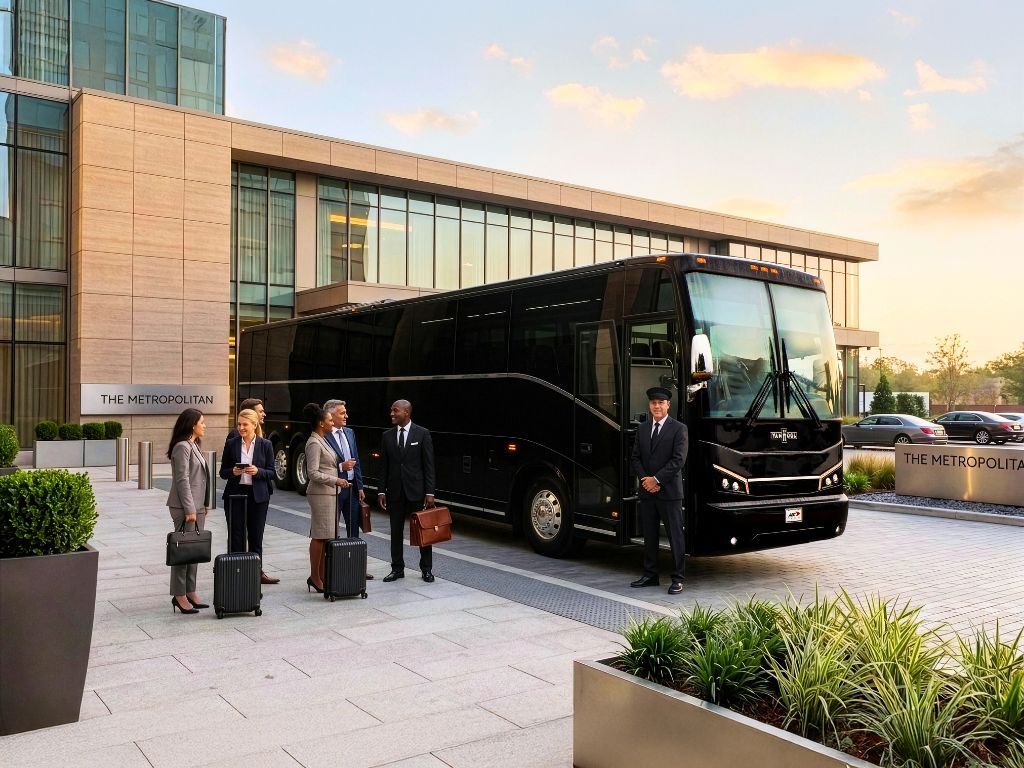
Choose a motorcoach configuration that supports the type of business you want to win and retain. Charter operators may prioritize flexible seating, luggage capacity, and passenger comfort for a variety of groups. Tour operators often need restrooms, storage, and amenities for longer trips. Executive transportation providers may focus on premium finishes, connectivity, and presentation, while sports teams, universities, and other group transportation often benefit from durable materials, ample storage, and interiors that are easy to clean.
Every feature should support the experience you promise your passengers. Selecting seating, accessibility features, climate control, lighting, luggage capacity, interior materials, and onboard amenities that align with your operation can improve customer satisfaction while helping maximize long-term return on your investment.
Serviceability and Durability
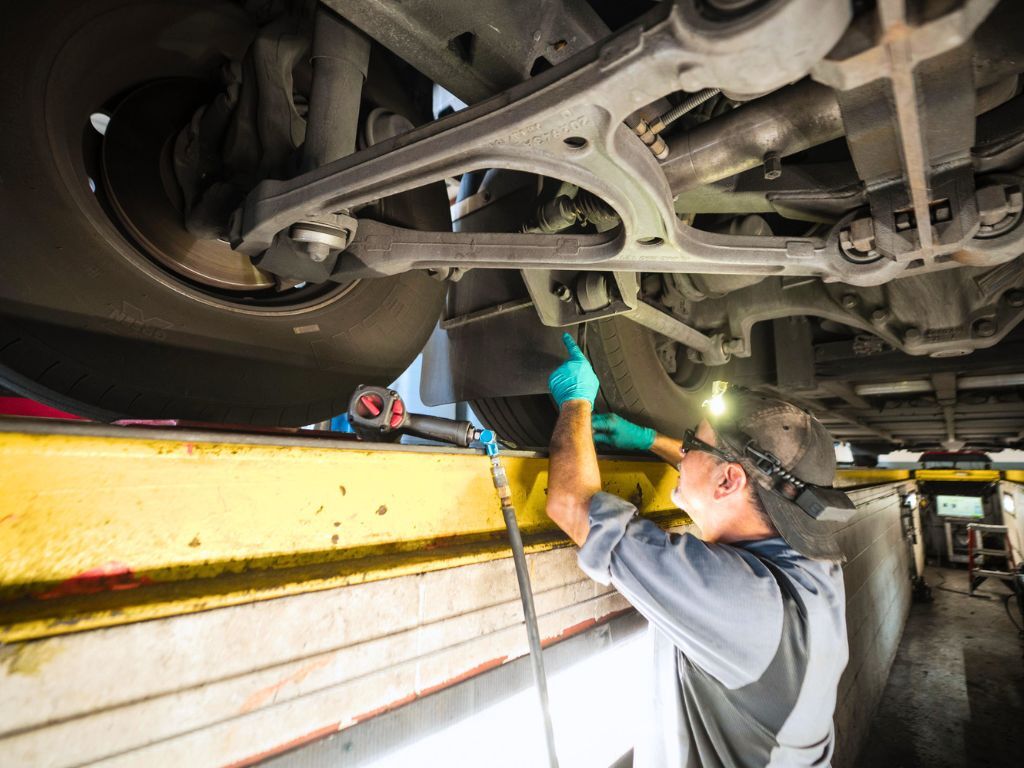
Motorcoach serviceability should be considered before the coach enters service. Evaluate access to service points, diagnostic accessibility, parts availability, technician familiarity, technical resources, and the durability of high-wear materials. Efficient maintenance can help support fleet availability and reduce operational disruption over the life of the coach.
- Balance Customization With Fleet Standardization
Customization can help meet operational requirements and strengthen your brand, but unnecessary variation across vehicles can increase parts complexity, technician training needs, maintenance workload, and procurement challenges. Standardizing controls, materials, and common components where practical can simplify long-term fleet management while still allowing meaningful customization.
| Specification Type | Question to Ask |
| Required | Does this support our service model, routes, passenger capacity, accessibility requirements, luggage needs, or maintenance capabilities? |
| Value-Add | Will this improve the passenger experience, driver usability, operating efficiency, or help us win and retain more business? |
| Cosmetic | Does this primarily change the appearance of the coach, or does it provide measurable operational value over the vehicle's lifecycle? |
Once you've identified the required and value-add features for your operation, consider standardizing those specifications across vehicles whenever practical. Doing so can simplify technician training, improve parts availability, reduce maintenance complexity, and make long-term fleet management more efficient while still allowing your fleet to reflect your brand.
- Consider the Support Behind the Coach
Configuration decisions do not end at delivery. Operators also need to consider how the coach will be supported throughout its service life, including parts availability, service access, technician training, technical resources, financing options, and future refurbishment needs. Evaluating these resources before purchase can help reduce downtime, simplify long-term maintenance planning, and support more consistent fleet performance.
ABC Companies helps operators configure coaches around real operational needs, from fleet planning and financing to support, delivery, parts, service, technical support, training, and refurbishment. By connecting specification decisions to long-term operational goals, ABC supports operators throughout the ownership lifecycle to help support reliability, serviceability, and long-term fleet value.
Motorcoach Configuration Checklist
Before finalizing a motorcoach configuration, evaluate how each specification supports your operation.Whether the priority is route fit, passenger experience, driver usability, serviceability, fleet consistency, or long-term ownership value, the coach should be evaluated as a complete package, not as a list of individual options. This approach can help ensure it meets your operational needs today while supporting long-term fleet performance, allowing you to plan your motorcoach purchase with confidence.
As you narrow down your motorcoach configuration, ask the following questions:
- Does the coach match your routes, duty cycles, and service model?
- Does the driver environment support efficient daily operation?
- Do passenger amenities align with the experience your company provides?
- Have accessibility, luggage, and storage requirements been addressed?
- Can your maintenance team efficiently access and support key systems?
- Are interior materials and high-wear components appropriate for the expected use?
- Does the configuration align with the rest of your fleet?
- Are parts, service, training, and technical support readily available?
- Have you evaluated long-term ownership costs, not just the purchase price?
Taking the time to review these questions before placing an order can help identify potential gaps, align key stakeholders, and ensure your motorcoach configuration supports your operation over the long term. Involving drivers, maintenance personnel, operations leaders, and financial stakeholders throughout the process can also provide valuable perspectives before finalizing your specifications.
Plan Your Next Motorcoach With Confidence
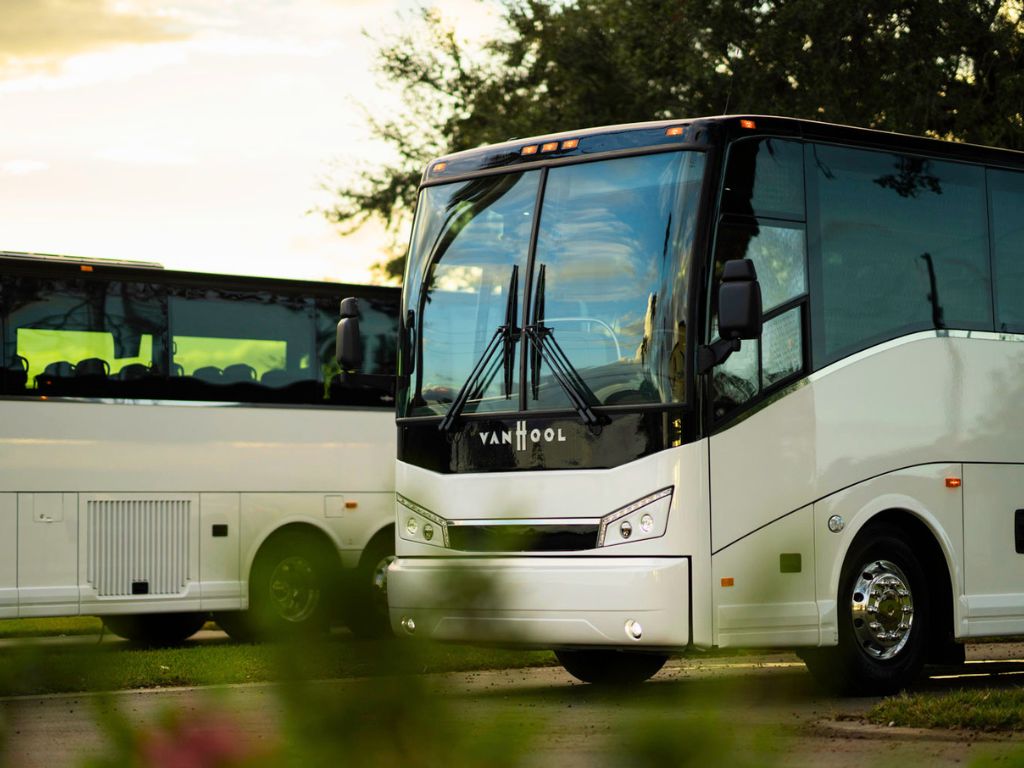
Choosing the right motorcoach configuration isn't about selecting every available option. It's about making thoughtful decisions that support your operation, from driver usability and passenger experience to serviceability, durability, and long-term fleet value. When each specification aligns with a clear operational need, your coach is better positioned to support reliable performance throughout its lifecycle.
Once you've identified the configuration that best fits your operation, ABC's Design Lab offers a visual starting point for exploring select CX45 paint options, graphics, and exterior features before making final decisions.
Explore the ABC Design Lab to begin visualizing your next CX45, or download the Motorcoach Buyer's Guide for additional planning guidance.