

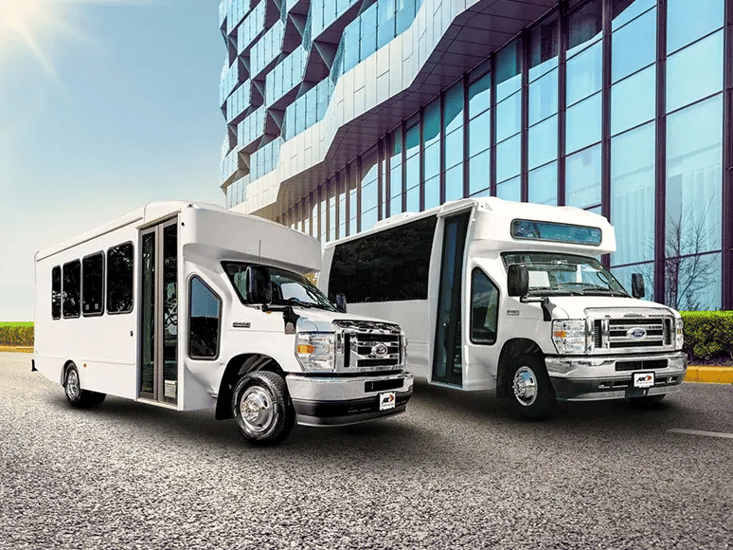
As the year ends, fleet planning becomes a priority for operators preparing for the demands ahead. With budgets being finalized and capital investments under consideration, it's an opportunity to evaluate vehicle performance, maintenance needs, and future fleet requirements.
For many operators, that means deciding whether to continue maintaining existing vehicles, invest in refurbishment, or explore replacement options with new or pre-owned models.
The right decision isn't always the newest vehicle or the least expensive repair. It depends on each vehicle's condition, operational requirements, projected costs, and expected remaining service life.
This blog explores how to assess your fleet, compare available options, and make informed investment decisions for the year ahead.
Why Year-End Is the Right Time to Make Fleet Decisions
For private operators, year-end is an opportunity to review fleet performance before finalizing budgets and capital plans. Evaluating each vehicle's condition, maintenance costs, and anticipated service needs can help owners, finance leaders, and maintenance directors prioritize spending on maintenance, refurbishment, or replacement.
For public transportation providers, year-end planning may align with funding applications, capital requests, and procurement cycles. Reviewing fleet needs early allows more time to prepare requests, pursue necessary approvals, and coordinate potential vehicle investments.
Vehicle availability is another important consideration. New buses and motorcoaches may have significant lead times depending on the model, configuration, and market conditions. Evaluating replacement needs early gives operators more time to compare available options and plan around anticipated capacity requirements.
Year-end vehicle investments may also present tax-planning opportunities depending on an operator's financial circumstances. Under current federal law, qualifying new and pre-owned vehicles may be eligible for 100% bonus depreciation, making placed-in-service timing an important consideration for operators seeking a deduction in 2026. Consulting a tax advisor can help operators understand how these opportunities fit into their broader financial plans. For more information, explore our guide to 2026 bonus depreciation and Section 179 for fleet operators.
 Start With an Honest Fleet Assessment
Effective fleet planning starts with understanding each vehicle's condition, performance, and operating costs. Using consistent criteria across the fleet helps operators identify maintenance priorities, potential refurbishment candidates, and vehicles that may be approaching replacement.
Age, Mileage, and Overall Condition
Age and mileage provide a starting point, but they don't tell the whole story. A well-maintained motorcoach with higher mileage may still have useful service life remaining, while a newer vehicle with mechanical or structural issues could require more immediate attention. Assess each vehicle's mechanical systems, structural integrity, interior condition, and remaining warranty coverage to evaluate its overall condition and potential service life.
Repair History and Downtime Trends
Reviewing 12–24 months of maintenance records can reveal patterns that individual repair invoices might miss. Increasing repair frequency, recurring problems, and longer service interruptions may indicate that a vehicle requires closer evaluation. Downtime also carries costs beyond repairs, including missed trips, increased reliance on spare vehicles, and disruptions to customer service. When maintenance concerns arise, ABC Companies' service and repair capabilities can help operators assess vehicle needs and identify appropriate next steps.
Total Cost of Ownership
Fleet planning requires looking beyond individual repair bills to understand each vehicle's total cost of ownership. Tracking cost per mile, including fuel, parts, maintenance, and downtime, provides a clearer picture of ongoing expenses. Comparing projected operating and repair costs with refurbishment and replacement estimates can help operators evaluate the financial implications of each option and determine which approach best fits their fleet's needs.
When Maintaining Makes the Most Sense
Not every aging vehicle needs to be replaced. Motorcoaches and buses that remain structurally sound, have manageable maintenance costs, and continue to meet operational and passenger needs may still have useful service life remaining.
Regular inspections, preventive maintenance, and scheduled service can help operators identify potential issues early and address maintenance needs before they lead to unexpected downtime. ABC Companies' bus and vehicle maintenance services support operators with routine maintenance, inspections, and repairs for buses and motorcoaches of any make or model.
For operators looking to manage maintenance needs without expanding their in-house teams, ABC's Fleet Forward contract maintenance programs offer ongoing service support and a structured approach to managing fleet maintenance.
ABC also provides access to 10 service locations, mobile service capabilities, and 24/7 FleetAssist breakdown support. Through ABC Parts Source, operators can access OEM and ABC Select parts to support ongoing maintenance and repair needs.
When Refurbishment May Be the Right Middle Ground
When a vehicle remains mechanically and structurally sound but its interior, systems, or exterior show signs of wear, motorcoach refurbishment may be worth considering as an alternative to replacement. Whether it's a practical investment depends on the vehicle's condition, the scope of work required, and the projected costs compared to replacement.
Refurbishment may include new seating, flooring, and passenger amenities, along with mechanical upgrades, system improvements, or body shop repairs. Depending on the improvements made, these updates may help restore functionality, improve the passenger experience, and extend the vehicle's useful life.
For operators managing limited capital budgets or evaluating replacement timelines, ABC Companies' bus refurbishment services provide options for updating existing vehicles. Comparing refurbishment estimates with replacement costs, anticipated maintenance needs, and expected remaining service life can help determine whether the investment makes financial and operational sense.
When It's Time to Replace
Even with consistent maintenance, vehicles may eventually reach a point where replacement becomes the more practical investment. Warning signs include rising repair costs, recurring breakdowns, hard-to-source parts, and safety or compliance concerns. Vehicles that no longer meet operational needs or passenger expectations may also be candidates for replacement.
Operators considering motorcoach fleet replacement can evaluate newer vehicles based on fuel efficiency, available safety features, passenger amenities, and long-term operating costs. However, potential improvements depend on vehicle specifications, routes, and operating conditions. Electric and alternative-fuel options may also be worth exploring depending on available infrastructure and operational requirements.
New vs. Pre-Owned
Choosing between new and pre-owned motorcoaches depends on budget, availability, and intended use. New vehicles may offer updated technology, greater configuration flexibility, and longer potential service life. Pre-owned vehicles often have lower upfront costs and may be available sooner, although their condition, maintenance history, and remaining service life require careful evaluation.
With more than 10 OEM partners, ABC Companies offers a selection of new and pre-owned vehicles, including Van Hool motorcoaches and electric options. Operators can compare available models based on capacity, route requirements, expected mileage, and long-term operating costs. For additional guidance, explore how to spec a motorcoach for long-term ROI.
Financing and Leasing Options
Financing and leasing provide different ways to structure vehicle acquisition costs, depending on an operator's budget, cash flow, and long-term fleet goals. When evaluating these options, operators should consider payment terms, total financing costs, ownership requirements, and how each arrangement fits into their broader financial plans.
Through ABC Financial Services, operators can explore financing and leasing options that align with their purchasing timelines and operational needs. For more guidance, review our Purchase vs. Lease Comparison Guide to understand the differences and decide which approach fits your fleet.
 A Simple Buy, Maintain, or Replace Framework
Not every vehicle requires the same investment. Use this quick-reference framework to compare when maintaining, refurbishing, or replacing is the best option.
|
Maintain |
Refurbish |
Replace |
|
|
Vehicle Condition |
Structurally sound and reliable |
Solid core with worn or outdated components |
Significant mechanical, structural, or operational concerns |
|
Repair Trend |
Predictable maintenance needs |
Targeted repairs or upgrades needed |
Frequent breakdowns and rising repair costs |
|
Cost Outlook |
Manageable ongoing expenses |
Potential to extend useful life, depending on costs and vehicle condition |
Compare acquisition costs with projected operating and maintenance expenses |
|
Best-Fit Scenario |
Vehicle continues meeting operational needs |
Vehicle can remain productive with improvements |
Vehicle no longer meets performance, safety, or passenger expectations |
Depending on vehicle condition, operational requirements, and available resources, operators may find that a combination of maintenance, refurbishment, and replacement best supports their fleet needs.
Your Year-End Fleet Planning Checklist
Before finalizing next year's fleet budget, use this checklist to evaluate maintenance, refurbishment, and replacement priorities.
- Assess your fleet. Document each vehicle's age, mileage, condition, and operational role.
- Review maintenance records. Examine 12–24 months of repair history and downtime trends.
- Flag rising costs. Identify vehicles with increasing expenses, recurring issues, or declining reliability.
- Confirm warranty coverage. Check remaining coverage and upcoming expiration dates.
- Schedule preventive maintenance. Plan inspections and service based on vehicle needs and operational schedules.
- Compare refurbishment and replacement costs. Request estimates and consider expected remaining service life, future maintenance needs, and total costs.
- Explore financing options. Compare financing and leasing terms, costs, and ownership considerations for planned purchases.
- Align with next year's budget. Prioritize investments based on available capital, anticipated demand, and vehicle availability.
Completing these steps can help operators identify immediate maintenance needs, evaluate potential investments, and establish priorities for the coming year. The goal is to develop a fleet plan that balances operational requirements, vehicle condition, and available resources.
Plan Your Next Fleet Investment With ABC Companies
Making informed fleet decisions starts with understanding each vehicle's condition, operating costs, and future role in your fleet. Evaluating maintenance, refurbishment, and replacement options before year-end can help operators prioritize investments and prepare for upcoming operational needs.
Whether you're scheduling maintenance, considering refurbishment, or exploring new and pre-owned vehicles, ABC Companies offers the services and resources to help you evaluate your options and determine the next steps.
Contact ABC Companies to discuss your fleet's maintenance, refurbishment, or replacement needs.